Evaluating Frame TV Art Mockup Templates: A Practical Guide for Digital Artists and Sellers
For artists and designers working in the digital print market, presenting work in a realistic context is crucial. The Frame TV Art Mockup Templates PSD File is a specific resource designed to bridge the gap between a flat digital image and a tangible product visualization. This article provides an objective evaluation of this type of template, helping you determine if it aligns with your workflow and presentation needs.
Understanding the Core Product
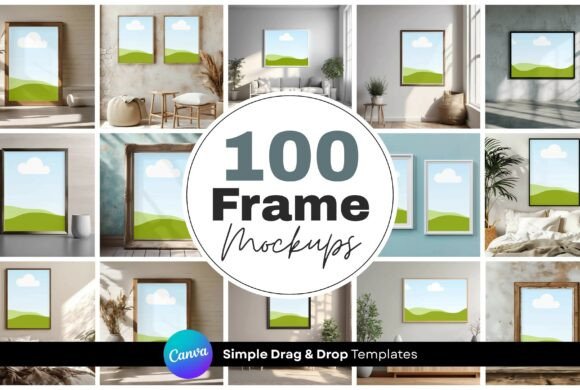
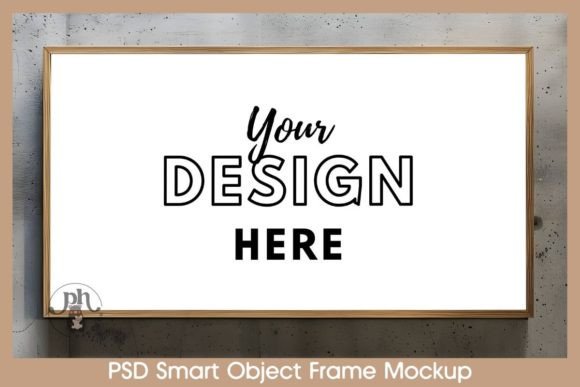
At its foundation, this product is a digital tool for creating professional-looking previews of artwork as it would appear on a modern, frame-style television. The primary file provided is a Photoshop Document (PSD) that utilizes Smart Object technology. This means you can easily insert your own artwork into a designated layer within the file, and it will automatically conform to the perspective, lighting, and reflections of the TV screen in the mockup. The package typically includes a short video tutorial and a JPG version for quick reference.
It is important to note the limitations inherent in this template. The description states that objects are not moveable and the background color cannot be changed. This means the angle of the TV, the surrounding decor, and the wall color are fixed. Your creative flexibility lies entirely within the content displayed on the screen itself. This design choice ensures visual consistency and ease of use but limits scene customization.
Primary Reasons for Interest
Individuals and businesses seek out Frame TV Art Mockup Templates for several key reasons. Primarily, it addresses the need for professionalism and credibility. A mockup transforms a simple JPG into a lifestyle image, helping potential customers visualize the art in their own space. This is particularly valuable on crowded online marketplaces where first impressions are vital.
Secondly, it offers significant efficiency gains. Creating a realistic 3D render or staging a physical photoshoot is time-consuming and technically demanding. A PSD mockup allows for the creation of a polished product image in minutes, not hours. This is a major consideration for artists who manage large catalogs or need to update their listings frequently.
Finally, it taps into current decor trends. The frame TV has become a popular piece of home technology and decor. Showcasing art on this specific device can make the product feel contemporary and relevant to a design-savvy audience.
Key Benefits and Practical Tradeoffs
The benefits of using a dedicated Frame TV mockup are clear. It provides a high-quality, photorealistic result without requiring advanced 3D modeling skills. The inclusion of a Smart Object layer makes the process accessible even to those with basic Photoshop knowledge. This can level the playing field for independent creators competing against larger studios.
However, the tradeoffs are directly tied to its fixed nature. The lack of customization means you cannot adjust the scene to match a specific brand color palette or create a unique setting for each piece of art. If your brand identity relies heavily on unique environmental staging, this template may feel restrictive. Furthermore, because the template is a static image, you cannot create a series of mockups showing the same art in different rooms or from different angles unless you purchase multiple, distinct template files.
Situations Where This is a Strong Fit
This type of mockup template is an excellent solution in several scenarios. It is ideal for digital artists and print-on-demand sellers who need to generate a consistent set of product images for an online store or portfolio quickly. The professional result enhances perceived value with minimal effort.
It is also a strong fit for graphic designers creating social media content or website banners. The clean, modern look of a frame TV mockup can be very effective for marketing materials, blog post graphics, or showcasing design work in a client presentation.
For those who prioritize speed and consistency over absolute creative control, this tool is a practical asset. If your goal is to produce many attractive, uniform product previews efficiently, the fixed background and non-movable objects become features, not bugs, as they enforce a cohesive visual style across your entire catalog.
Situations to Consider Alternatives
There are scenarios where other options might be more appropriate. If your project requires a fully customizable environment—such as changing wall colors, adding furniture, or altering the time of day—then a more advanced, layered scene mockup or a 3D software solution would be necessary.
Similarly, if you need to create video content or animated previews showing the art being placed on the TV, a static PSD file will not suffice. You would need to seek out video mockup templates or learn basic animation techniques.
Finally, for those on an extremely tight budget or who need only a one-off preview, it may be worth exploring free mockup resources. However, be prepared to invest more time in searching for quality and ensuring the license allows for commercial use. The investment in a dedicated, professional template like the Frame TV Art Mockup Templates PSD File often pays for itself in saved time and increased presentation quality.
Practical Decision-Making Insights
To decide if this resource is right for you, consider your primary workflow and goals. Ask yourself: How frequently do I need to create product mockups? A high-volume seller will benefit greatly from the efficiency. Do I have the skills or time to create my own mockups from scratch? If not, a template is a logical shortcut. Is a modern, minimalist aesthetic aligned with my brand? If yes, the fixed scene is an advantage.
Evaluate the specific files included. The presence of a Smart Object PSD is critical for ease of use. The inclusion of a video tutorial can be a significant value-add, reducing the learning curve. The JPG file serves as a useful reference for the final output.
In conclusion, the Frame TV Art Mockup Templates PSD File is a specialized tool designed to solve a common problem: presenting digital art in a compelling, real-world context. Its value lies in its combination of professional quality, ease of use, and time efficiency. By understanding its fixed nature and aligning it with your specific needs for presentation, speed, and brand aesthetic, you can make an informed decision about whether it is the right tool to enhance your digital art business or design portfolio.