Editable Streetwear Neck Label Templates for Your Brand
That small tag sewn into the collar of a t-shirt or hoodie does a lot of heavy lifting. It’s the first thing a customer feels, the place they check for size, and the guide for keeping the garment looking its best. For anyone building a clothing line, especially in the streetwear space, a custom neck label is a mark of legitimacy. It transforms a generic blank into a branded piece of apparel. However, designing and producing these tags from scratch can be a complex and expensive hurdle. This is where customizable, vector-based templates offer a practical and powerful solution, bridging the gap between a creative idea and a professional final product.
What Exactly Are These Editable Templates?
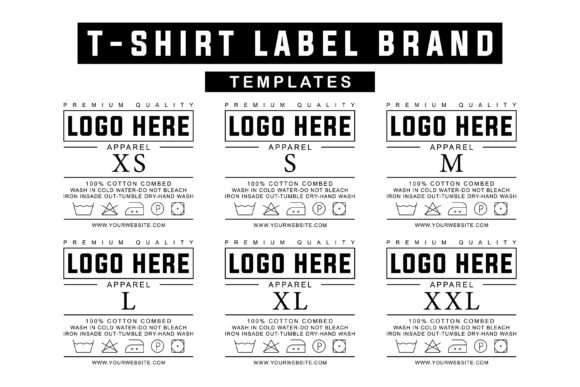
At their core, editable streetwear neck label templates are pre-designed digital files that serve as a starting point for your garment tags. Think of them not as a final design you must use, but as a high-quality, professionally structured foundation. These templates are built as vector files, most commonly in the EPS (Encapsulated PostScript) format. Unlike a standard image file like a JPG or PNG, which is made of a fixed grid of pixels, a vector file is constructed using mathematical paths, points, and curves.
This technical distinction is what gives you incredible creative freedom. You can scale a vector design from the size of a postage stamp to the side of a building without any loss of quality or sharpness. For neck labels, this means you can adjust the dimensions to fit the specific fold of a cotton t-shirt or the seam of a heavyweight hoodie, and every line and letter will remain perfectly crisp. The package typically includes the core vector source files, which you edit using professional software like Adobe Illustrator, Affinity Designer, or the free alternative, Inkscape. Alongside these, you often receive high-resolution JPG versions, which are useful for mockups, client presentations, or printing methods that don't require vectors.
A Tool for Different Goals and Skill Levels
The value of these templates shifts depending on who is using them. A solo entrepreneur launching their first small batch of tees has different needs than a seasoned designer working for an established brand. The beauty of a flexible template system is its ability to cater to this wide spectrum of users.
For the First-Time Creator and Small Business Owner
If you're just starting, the world of garment production can feel overwhelming. You're focused on sourcing quality blanks like 100% cotton t-shirts, perfecting your screen prints, and building an online store. The idea of hiring a graphic designer just for a neck label might seem like an unnecessary expense. For you, an editable template is a lifeline. It provides a shortcut to a professional look without a steep learning curve or a hefty price tag. You can open the file, swap out the placeholder brand name with your own, input your size and care instructions, and have a print-ready file in a fraction of the time it would take to design from zero. The priority here is speed, ease of use, and achieving a quality presentation that builds customer trust from the very first touch.
For the Graphic Designer and Branding Professional
Experienced designers and marketers see these templates differently. They are not a crutch but a catalyst. A professional can use a well-structured template as a component in a larger branding system. They might deconstruct the elements, pulling the layout for the size indicators and care symbols to ensure consistency across a new product line. The ability to recolor, transform, and remove or add elements is crucial. A designer could adapt a single template to create a cohesive family of labels for t-shirts, hoodies, and sweatpants, each with a slightly different layout but sharing the same core typographic and graphical DNA. For them, the value lies in the flexibility and the high-quality vector source, which integrates seamlessly into their professional workflow and ensures the final output is perfectly aligned with the client's brand identity.
For the Hobbyist and DIY Enthusiast
Not everyone using these templates is building a commercial empire. A hobbyist sewing custom apparel for friends, a parent creating personalized gifts, or a small-scale crafter selling at local markets also benefits immensely. For these users, the focus is on adding a personal, polished touch. They might not need a complex branding system, but they appreciate the ability to create a tag that feels special. The process of editing the file can also be a learning experience, offering a gentle introduction to the world of vector graphics. The long-term usefulness is high, as one template purchase can be adapted for countless personal projects over the years, making it a cost-effective tool for creative expression.
Practical Applications: Making the Template Your Own
The true power of these templates is unlocked in their application. The process goes beyond simply typing in your brand name. It’s about integrating the label into your product's story.
Consider a small streetwear brand focused on sustainability. They source organic cotton blanks and use eco-friendly water-based inks for their prints. Their neck label is a critical part of this narrative. Using an editable vector template, they can easily add a small leaf icon next to their logo or include text that says "Printed on 100% Organic Cotton." The flexibility to add and remove elements allows them to communicate their brand values directly on the garment, a detail that resonates deeply with their target audience. The vector format ensures that even the smallest text about care instructions or origin remains legible after dozens of washes.
Another example is a brand that releases limited-edition collections. Instead of commissioning a new label design for every drop, they can use a single master template. For their summer collection, they might recolor the template's accents to a vibrant yellow. For a winter release, they could swap the background color to a deep charcoal and change the font style to something more bold. This approach ensures brand consistency while allowing for creative variation, all managed efficiently in-house without needing to start the design process over each time. The ability to scale the design is also vital; a label for a fitted crop top will have different dimensions than one for an oversized hoodie, and the vector file adapts perfectly to both.
Is This the Right Solution for You?
Evaluating whether editable streetwear neck label templates fit your project comes down to a few key considerations. Think about your primary priorities. If you value creative control, professional quality, and long-term flexibility, this approach is a strong contender.
Ask yourself these questions:
- What is my budget? Templates are significantly more affordable than commissioning a custom design from scratch for just the labels.
- What is my technical skill level? While they require vector editing software, many templates are structured logically, making them accessible to motivated beginners. For professionals, they are a standard part of the toolkit.
- How important is scalability and quality? If you need your labels to look sharp on various garment sizes and hold up over time, the vector format is non-negotiable.
- Do I need to create variations? If you plan on multiple product types, colorways, or seasonal collections, the ability to easily edit and adapt a single template is a massive advantage.
Ultimately, these templates are a practical resource for anyone serious about the details of their apparel. They democratize the process of creating professional branding elements, allowing creators at every level to produce high-quality, informative, and stylish neck labels that enhance the perceived value of their clothing. The included vector files ensure that the quality you see on your screen is the quality that gets stitched into the garment, building a foundation of professionalism and care that customers will notice and appreciate.