The Enduring Charm of Vintage Floral Envelope Templates in Modern Crafting
In an era dominated by instant digital communication, the tactile experience of a handwritten letter or a handcrafted keepsake holds a special, almost defiant, power. The act of folding paper, the weight of a quality sheet, the visual appeal of a thoughtfully designed exterior—these elements transform a simple message into a memorable artifact. At the intersection of nostalgic design and practical utility lie Vintage Floral Envelope Templates, a resource that has captivated scrapbookers, journal keepers, and stationery enthusiasts. These are not merely digital files; they are gateways to a more personalized and aesthetically rich form of expression.
Anatomy of a Printable Vintage Envelope
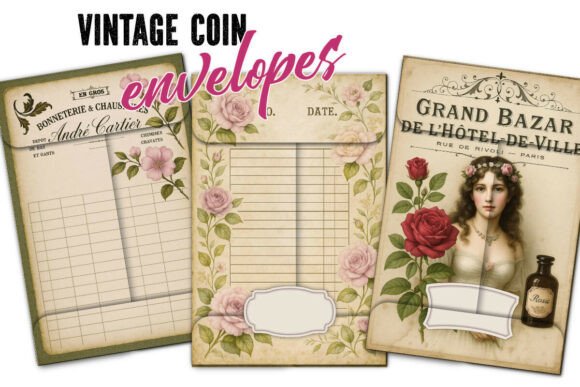
A high-quality set of printable vintage-style envelope templates, such as those designed for US Letter sheets, is a masterclass in balanced design and user-centric engineering. Each template is meticulously crafted to ensure that the final folded product is both beautiful and structurally sound. The standard specification—a finished envelope size of 3.5 x 5 inches—places these creations firmly in the realm of intimate correspondence, perfectly sized for gift cards, short notes, or decorative elements for larger projects.
The true artistry lies in the surface design. These templates feature romantic floral motifs intertwined with French ephemera—faded script, antique postmarks, and delicate filigree. This layering creates a sense of history and depth, as if the envelope has been plucked from a Parisian flea market. The designs are often rendered in a muted, time-worn color palette, utilizing soft creams, blush pinks, sage greens, and sepia tones to evoke a sense of gentle decay and timeless elegance. This aesthetic is crucial for its versatility; it complements a wide range of projects without overwhelming the content it will eventually hold.
From a technical standpoint, these are delivered as high-resolution JPEGs. This format ensures crisp print quality on standard home printers, preserving the intricate details of the floral illustrations and the subtle textures of the background. The "ready to print and assemble" nature is fundamental to their appeal, removing the technical barrier of digital design and allowing the creator to move directly to the hands-on, meditative process of cutting, folding, and gluing.
The Multifaceted Applications: Beyond Simple Mail
While the term "envelope" suggests a primary function, the utility of these templates extends far beyond traditional correspondence. Their application is limited only by the creator's imagination, making them a versatile tool in several creative domains.
For the Junk Journal and Scrapbooking Aficionado
In the world of junk journaling, where the goal is to build a layered, textured narrative, these envelopes are invaluable. They serve as tuck spots—hidden pockets glued onto a journal page to hold loose ephemera like tickets, tags, or secret notes. A vintage floral envelope can become a focal point on a scrapbook layout, housing a cherished photograph or a handwritten memory. The French ephemera elements integrate seamlessly with other vintage papers, creating a cohesive visual story. Furthermore, they can be deconstructed; a crafter might cut out a floral cluster from one template to use as a standalone embellishment on a card or a page border.
Elevating Happy Mail and Gift-Giving
The concept of "happy mail"—the practice of sending unexpected, thoughtful packages—has been revitalized by the maker movement. A gift card or a small piece of jewelry nestled inside a handmade vintage envelope transforms a simple present into a curated experience. The envelope itself becomes part of the gift, a keepsake that can be repurposed. For small business owners, particularly those in the handmade or artisanal sector, using these templates to package thank-you notes or small tokens adds a significant layer of brand personality and perceived value, communicating care and attention to detail.
Educational and Professional Contexts
The applications are not confined to leisure. Educators can use these templates in history or art classes to teach about Victorian correspondence, botanical illustration, or the principles of graphic design. The process of assembling the envelopes also develops fine motor skills and spatial reasoning. In a professional setting, such as event planning, they can be used for elegant place cards, gift bag tags for a bridal shower, or as part of a vintage-themed marketing kit, offering a tangible break from digital noise.
Practical Considerations for Optimal Results
Achieving a polished, professional-looking result requires more than just pressing "print." Understanding a few key considerations will ensure the final product meets the creator's vision.
Paper selection is paramount. While standard copy paper will work, it often results in a flimsy envelope that doesn't hold its shape well. For a more authentic and durable feel, opt for a heavier weight paper. Cardstock in the 65-80 lb range provides a sturdy base that folds cleanly and stands up to handling. For an extra touch of luxury, consider using a subtle linen or felt-textured paper, which will enhance the tactile, vintage quality of the design.
Printer settings matter. To ensure the colors are rich and the details are sharp, adjust your printer settings to a higher quality output. Select the "high" or "best" quality option and, if available, specify the paper type (e.g., "cardstock" or "heavy paper"). Performing a test print on a regular sheet of paper is always a wise step to check for alignment and color accuracy before using your premium paper.
The assembly process is part of the craft. The templates are designed with fold lines and glue tabs. A bone folder is an indispensable tool here; it allows you to score crisp, clean fold lines without tearing the paper, resulting in a more professional finish. For adhesive, a strong, quick-drying craft glue or a tape runner is preferable to a liquid glue, which can warp the paper. Take your time during assembly—the deliberate, careful construction is what imbues the final object with its handmade charm.
The Psychological and Aesthetic Value
The resurgence of interest in vintage floral designs and tangible paper crafts speaks to a deeper psychological need. In a saturated digital landscape, these activities offer a form of mindful engagement. The focus required to select, print, cut, and fold creates a state of flow, providing a respite from constant screen-based stimulation. The floral and ephemera designs tap into a nostalgia for a perceived slower, more beautiful past, offering comfort and aesthetic pleasure.
For creators and hobbyists, these templates provide a scaffold for creativity. They offer a professional-quality starting point that can be used as-is or customized. One might add a wax seal, a hand-stamped address, or a spritz of tea-stain solution to age the paper further. This balance between provided structure and creative freedom is key to their widespread appeal, making them accessible to beginners while still offering depth for experienced crafters.
In essence, Vintage Floral Envelope Templates